Source Automatic Roll-to-Roll Eco Solvent Printer for Labels, Wallpaper, and Cards
Find and compare 30 automatic roll-to-roll eco solvent printer models from Chinese manufacturers. Evaluate options featuring I3200 or XP600 print heads, USB interfaces, and multi-color printing capabilities for label, wallpaper, and card applications.
Key considerations
Products List


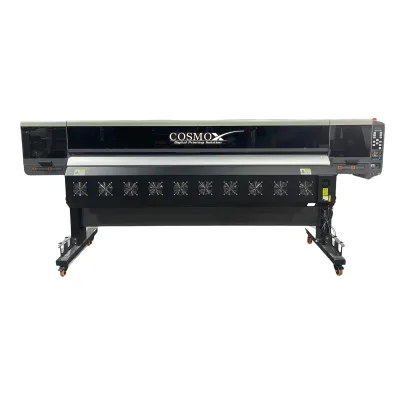

1.8m Roll-to-Roll Eco Solvent Printer with High Precision Printheads
$3700.00 - $5900.00
MOQ: 1 Pieces

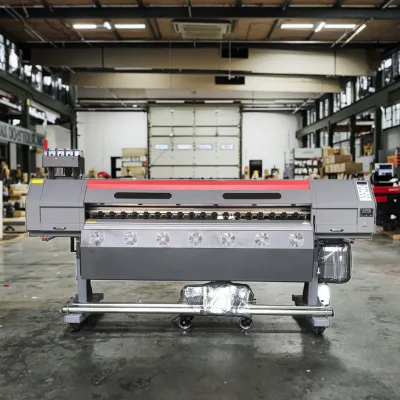


Automatic Six Color Roll to Roll Flexographic Printer for Copy Paper
$40000.00 - $50000.00
MOQ: 1 Pieces

Eco Solvent Printer Machine 64inch 72inch 128inch Large Format Printer Roll to Roll
$6100.00 - $8000.00
MOQ: 1 Pieces


1.9m Roll-to-Roll Sublimation Eco Solvent Digital Inkjet Large Format Printer
$1599.00 - $1799.00
MOQ: 1 Pieces

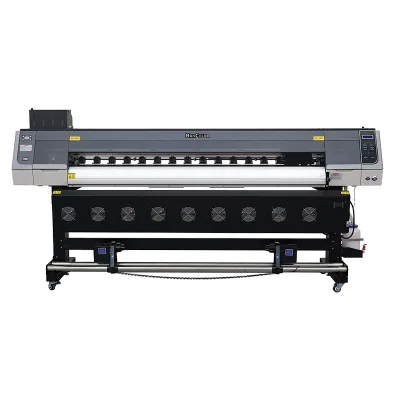
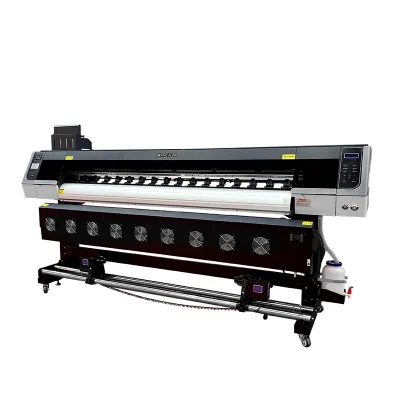
Comprehensive Sourcing Guide
Automatic Roll-to-Roll Eco Solvent Printer Sourcing Guide
Sourcing an automatic roll-to-roll eco solvent printer requires a careful balance between high-speed productivity and precise print quality, particularly for large-format applications. The market offers a diverse range of machines, from compact desktop units suitable for labels and cards to industrial-grade wide-format printers capable of handling wallpapers and banners. Buyers must distinguish between these form factors early in the process, as the choice dictates the necessary infrastructure, software ecosystem, and operational workflow. The presence of automatic media take-up systems and varying print head configurations significantly influences the machine’s capability to handle continuous production runs without manual intervention.
The core technology relies on eco solvent inks, which offer a compromise between the vibrant color gamut of traditional solvent inks and the lower odor and environmental impact of eco-friendly alternatives. This makes them suitable for both indoor and outdoor applications, though ventilation requirements still apply. Procurement teams should focus on verifying the specific ink type compatibility, such as CMYK 4-color setups, and ensure that the RIP software, like Maitop or Photo Print, is included and properly licensed. Understanding the interplay between the print head technology, such as I3200 or DX5, and the resulting print speed is essential for aligning equipment capabilities with projected production volumes and turnaround times.
Product Scope and Observed Listing Signals
The observed market signals indicate a wide variance in machine specifications, ranging from small desktop models with a print dimension of 600mm to large format printers with widths up to 3.2 meters. Listings frequently highlight customization options, allowing buyers to tailor the machine to specific media types, whether for card printing, cloth printing, or label production. The presence of multi-color printing press capabilities and automatic grade features suggests that many suppliers are positioning these machines for high-volume commercial environments rather than hobbyist use. Buyers should note that while the keyword implies roll-to-roll functionality, some listed models may be flatbed or hybrid units, requiring careful verification of the media transmission system.
Price points and minimum order quantities (MOQ) vary significantly across the observed data, with prices ranging from low-cost entry-level units to high-end industrial systems exceeding $150,000. MOQs are generally low, often starting at just one unit, which facilitates trial purchases for small businesses. However, the weight and dimensions of the machines also vary drastically, from lightweight units around 95kg to heavy industrial machines weighing up to 1300kg. This variance impacts shipping logistics, facility preparation, and installation requirements. Buyers must correlate the listed dimensions, such as 2730x730x600mm or 1305x560x350mm, with their available floor space and power supply capabilities to avoid logistical bottlenecks.
Technical Specifications to Verify
Print head configuration is a critical technical determinant, with options including I3200, XP600, DX5, DX7, and 4720 heads. The I3200 head, for instance, is associated with higher productivity, offering printing speeds of 20-25 square meters per hour, compared to the XP600’s 8-10 square meters per hour. Buyers must verify the number of heads installed, which can range from 2 to 8, as this directly impacts throughput and redundancy. If a production line cannot afford downtime, verifying the availability of spare heads and the ease of head replacement is essential. Additionally, the print head height, typically adjustable between 2-3mm, should be confirmed to ensure compatibility with varying media thicknesses and textures.
Connectivity and software integration are equally vital for seamless operation. Most units support USB 2.0 or USB 3.0 interfaces, but buyers should verify the compatibility with their existing computer systems and network infrastructure. The inclusion of RIP software, such as Maitop, is standard, but the version and licensing terms should be clarified to avoid additional costs later. Operating environment constraints, such as a recommended temperature range of 18-25℃ and humidity levels of 35%-65% Rh, must be considered for facility planning. Deviations from these conditions can affect print quality and machine longevity, so environmental controls may be necessary for optimal performance.
Compliance and Safety Documentation
Safety and compliance documentation are non-negotiable for industrial equipment procurement. Buyers should request machinery test reports, which are often provided by suppliers, to verify that the electrical and mechanical components meet international safety standards. The voltage requirements, typically 220V or a range of 110-220V, must match the local power infrastructure to prevent damage to the printer’s internal components. It is crucial to verify that the machine’s power supply includes appropriate surge protection and grounding, especially in industrial settings with fluctuating power quality.
Environmental compliance is another key consideration, particularly given the use of eco solvent inks. While these inks are less hazardous than traditional solvents, they still require proper ventilation and waste management protocols. Buyers should inquire about the ink’s VOC (Volatile Organic Compound) emissions and ensure that the machine’s design minimizes ink waste and spillage. Additionally, the warranty terms, often listed as one year, should be reviewed to understand the coverage for print heads, mainboards, and other critical components. Clarifying whether the warranty includes on-site service or requires shipping the machine back to the supplier is essential for minimizing downtime.
Cost Drivers and Commercial Terms
The total cost of ownership extends beyond the initial purchase price, encompassing shipping, installation, and ongoing consumables. The weight and dimensions of the machine significantly impact shipping costs, with larger units requiring specialized freight and potentially crating services. Buyers should negotiate clear terms for packaging, such as standard exported packages, to ensure the machine arrives undamaged. Additionally, the cost of ink, which is typically CMYK 4-color, should be factored into the long-term budget, as ink consumption varies based on print density and media type.
Commercial terms such as payment methods, delivery times, and after-sales support should be explicitly defined in the contract. While MOQs are often low, bulk orders may offer discounts, but buyers should weigh this against the risk of tying up capital in inventory. Lead times can vary based on customization requests, so it is important to establish a realistic delivery schedule. After-sales support, including technical training and remote assistance, should be included in the package to ensure that operators can effectively utilize the machine’s features, such as the automatic media take-up system and multi-color printing capabilities.
Supplier Qualification and Quality Control
Supplier qualification is paramount when sourcing from regions like Guangdong or Shanghai in China. Buyers should verify the supplier’s business license, manufacturing capabilities, and history of exporting similar equipment. Requesting references from existing customers, particularly those in similar industries, can provide insights into the supplier’s reliability and product quality. It is also advisable to conduct a factory audit, either in person or through a third-party inspection service, to assess the production processes and quality control measures.
Quality control should extend to the pre-shipment inspection of the machine. Buyers should verify that the machine’s dimensions, weight, and print performance match the specifications listed in the contract. Testing the print quality, including color accuracy, resolution, and speed, is essential before final payment. Additionally, verifying the inclusion of all accessories, such as cables, software licenses, and maintenance tools, ensures that the machine is ready for immediate deployment. Establishing a clear protocol for handling defects or discrepancies during the inspection phase can prevent costly disputes later.
Long-Term Procurement Checks
Long-term procurement success depends on the availability of spare parts and the supplier’s commitment to product updates. Buyers should ensure that a comprehensive list of spare parts, including print heads, rollers, and sensors, is available and priced transparently. The lifespan of consumables, such as ink and maintenance kits, should be estimated to plan for regular maintenance costs. Suppliers who offer regular software updates and firmware improvements can extend the machine’s usability and adaptability to new media types.
Building a strong relationship with the supplier is crucial for ongoing support and potential future purchases. Regular communication regarding performance issues, maintenance needs, and operational feedback can help identify areas for improvement. Buyers should also stay informed about industry trends and technological advancements in eco solvent printing, such as new ink formulations or faster print heads, to make informed decisions about upgrades or replacements. By maintaining a proactive approach to procurement, businesses can maximize the return on investment and ensure sustained operational efficiency.
FAQs
What customization options are available for this printer?
Customization is available for this automatic roll-to-roll eco solvent printer. Buyers can request specific configurations to match their production needs while maintaining the standard Eco Ink and I3200 print head capabilities.
How fast does the I3200 print head operate?
The I3200 print head operates at a speed of 20 to 25 square meters per hour. This high productivity rate ensures efficient output compared to slower XP600 or I1600 head options found in similar models.
Which ink type is used in this machine?
This machine uses Eco Solvent Ink, specifically in CMYK 4 colors. The Eco Ink formulation ensures safety and quality while supporting the automatic grade functionality for various printing applications like labels and wallpaper.
Can the printer handle multiple media types?
Yes, the printer supports multiple functions including card, cloth, paper, and label printing. It features an auto media take-up system to manage different mediums efficiently within the specified operating environment.
What are the physical dimensions of the large format model?
The large format model measures 2730 by 730 by 600 millimeters. This substantial size accommodates a maximum print dimension of 1800mm width, making it suitable for extensive roll-to-roll production tasks.
Which software controls the printing process?
The printer is controlled by Maitop RIP software, which supports photo printing and maintenance functions. This interface ensures seamless operation via USB2.0 or USB3 connections for reliable data transfer.
What is the warranty period for this equipment?
The equipment comes with a 1-year warranty covering standard operational defects. This protection applies to the new condition machinery manufactured in Guangdong or Shanghai, China, ensuring buyer confidence.